Theodore Gostas was interned as a Prisoner of War in Southeast Asia after he was captured in South Vietnam on February 1, 1968 and was held until his release on March 16, 1973.
Post Views: 581



Acclaimed Vietnam War historian George J. Veith reveals how Hanoi’s and Saigon’s secret policies caused the peace between North and South Vietnam to fail, highlights how Hanoi manipulated the U.S. POW/MIA issue, and illuminates how our South Vietnamese allies were unfairly maligned. Peace, POWs, and Power offers compelling insights into

A journalist presents an eye-opening expose+a7 of the exploitation of the families of soldiers missing in Vietnam, revealing how the U.S. government has mismanaged the issue, the individuals who prey on MIA families, and the tragic impact of such activities. Post Views: 927
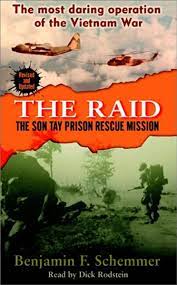
Minutes after 2 A.M. on November 21, 1970, more than one hundred U.S. war planes shattered the dark calm of the skies over Hanoi. Their mission: rescue sixty-one American POWs from Son Tay prison. Less than thirty minutes later, the raid was over, but no Americans had been rescued. The

Almost two decades after the Vietnam War, most Americans remain convinced that U.S. prisoners are still being held captive in Southeast Asia, and many even accuse the government of concealing their existence. But as H. Bruce Franklin demonstrates in his startling investigation, there is no plausible basis for the belief

George Smith spent two years as a POW moving from camp to camp in the middle of the jungle. Impressed from the beginning by Vietcong military proficiency, he slowly overcame his Green Beret “arrogance” and learned to see the VC as people-warm, just, humane, sincere and so highly motivated that
