This study examines the relationship between the efforts of the United States to achieve the fullest possible accounting of its prisoners of war and missing in action (POW/MIA), which resulted from the conflict in Vietnam, and subsequent diplomatic initiatives and the normalization of relations between the governments of both countries. Evidence indicates that this issue provided valuable forum for engagement throughout the Cold War era and still provides a basis for dialogue into the present day and possibly future security cooperation. The Vietnamese government immediately realized the importance of the POW/MIA issue to the United States and attempted to use it to gain concessions in negotiations directed towards normalization. Whereas the United States eventually used it as a tool to underline the value of cooperation and purely humanitarian actions to the Vietnamese, while also employing it as a measure of such cooperation. A study of this case may provide useful lessons for the United States in diplomatically engaging and possibly developing cooperation with other current and former adversaries.

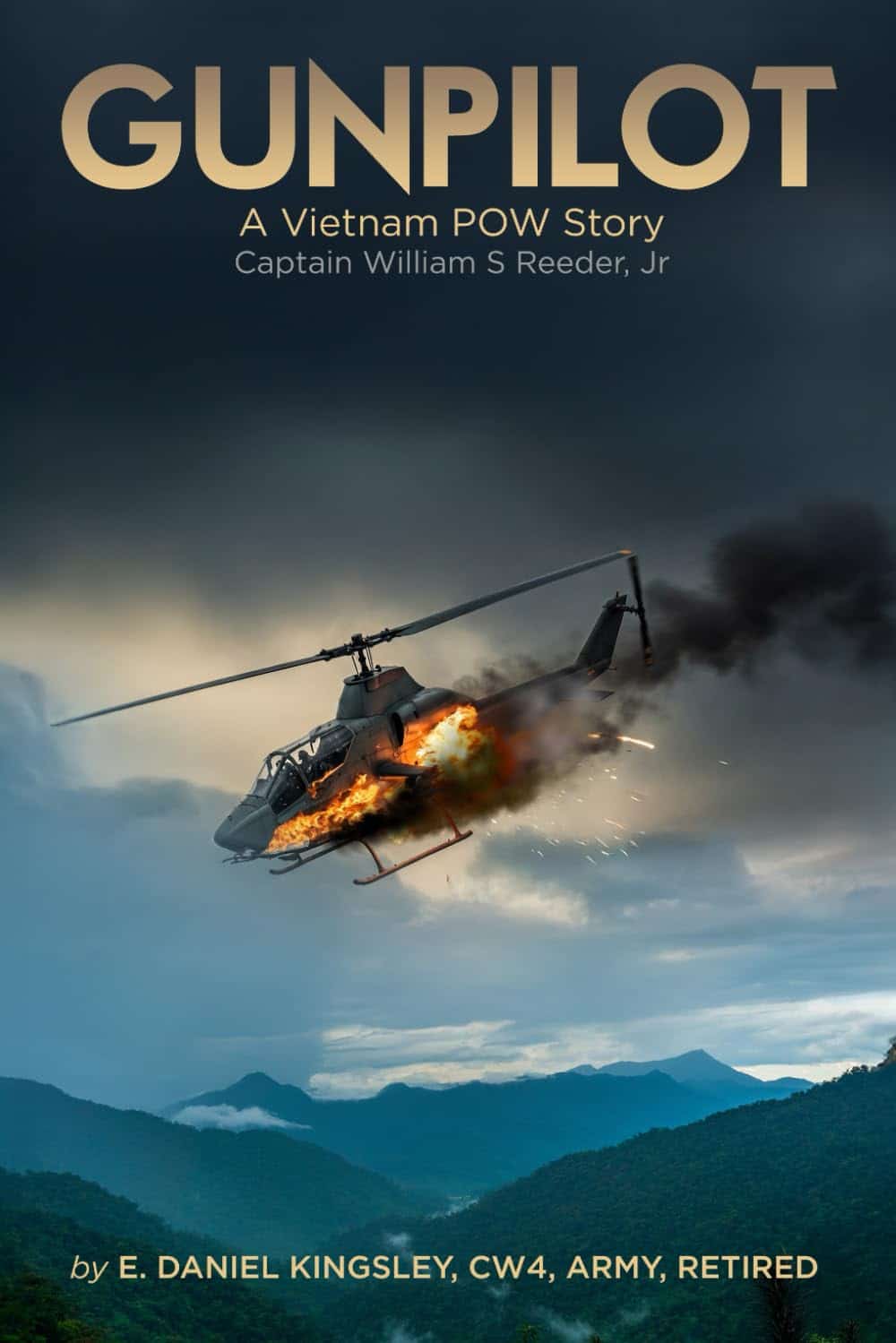
Gunpilot: A Vietnam POW: Captain William S. Reeder Jr.
Gunpilot: A Vietnam POW opens by introducing us to a fearless military pilot whose quiet acts of valor—like risking his life to pull a wounded comrade from enemy fire—establish him as an undeniable “good guy” early on. In the tension-filled skies of Vietnam, his routine mission turns catastrophic when his


