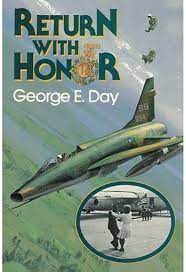
The story of George “Bud” Day who flew F-100s on perilous MISTY FAC missions and then as a POW in North Vietnam became one of America’s greatest heroes and earned the Congressional Medal of Honor.
Views: 1,525

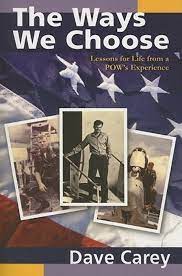
“Rising above extreme adversity was the common response from those with whom I served in North Vietnamese prisoner-of-war camps. Dave Carey, a truly motivational individual, describes in heartbreaking detail his experience and, much more importantly, the lessons he learned from that experience and has applied in his life. His is

The classic account of the abandonment of American POWs in Vietnam by the US government. For many Americans, the recent conflicts in Iraq and Afghanistan bring back painful memories of one issue in particular: American policy on the rescue of and negotiation for American prisoners. One current American POW of

SCARS & STRIPES… …are what came to Navy Captain Eugene “Red” McDaniel after his plane was shot down over North Vietnam. For six years he was a prisoner of the brutal Communists, and for all six years he found strength over despair through the power of God. Views: 643
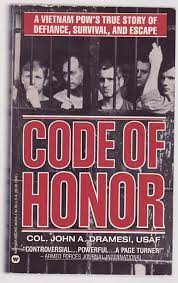
Colonel John Arthur Dramesi (born February 12, 1933) is a retired U.S. Air Force officer who was held as a prisoner of war at the Hanoi Hilton in North Vietnam during the Vietnam War. Dramesi is one of the very few captives who never broke under torture. He was held

Table of Contents Introduction 1. The Prisoner of War 2. The International Red Cross 3. Mail Regulations, Germany 4. Prisoner-of-War Camps: Germany 5. Americans in Italian Camps 6. POW Camps – Remainder of Europe 7. Japanese POW Camps 8. Prisoner-of-War Camps in the Philippines 9. Japanese Camps in the Home
