An inspiration autobiography that takes the reader from a young man’s journey in Vietnam, from a B52 to to the Hanoi Hilton. It is a journey of faith and conflict.
Post Views: 740




Few men have literally been blown out of the sky and lived to tell about it. If you can call being starved, beaten and otherwise tortured living. But not only did Phil Butler survive, he came out of the experience a new man…a war hero, a loving husband, a warrior

Colonel Donald Gilbert Cook was the first U.S. Marine captured in Vietnam, the first and only Marine in history to earn the Medal of Honor while in captivity; and the first Marine POW to have a U.S. Navy ship named in his honor, the USS Donald Cook (DDG-75). On December 31, 1964,

Contains a history of the United States’ role in shaping prisoner of war policy during the Vietnam War. Reveals the difficult, often emotional, and vexing nature of a problem that engaged the attention of the highest officials of the United States government. Examines frictions and disagreements between the State and

During a bombing raid over North Vietnam, Kenneth R. Hughey takes flak in his F-4 Phantom. With both their aircraft’s engines burning, Hughey and fellow crewman Mel Pollack eject at 22,000 feet and 620 miles an hour. The Vietcong capture Hughey as soon as he reaches ground, beginning what would
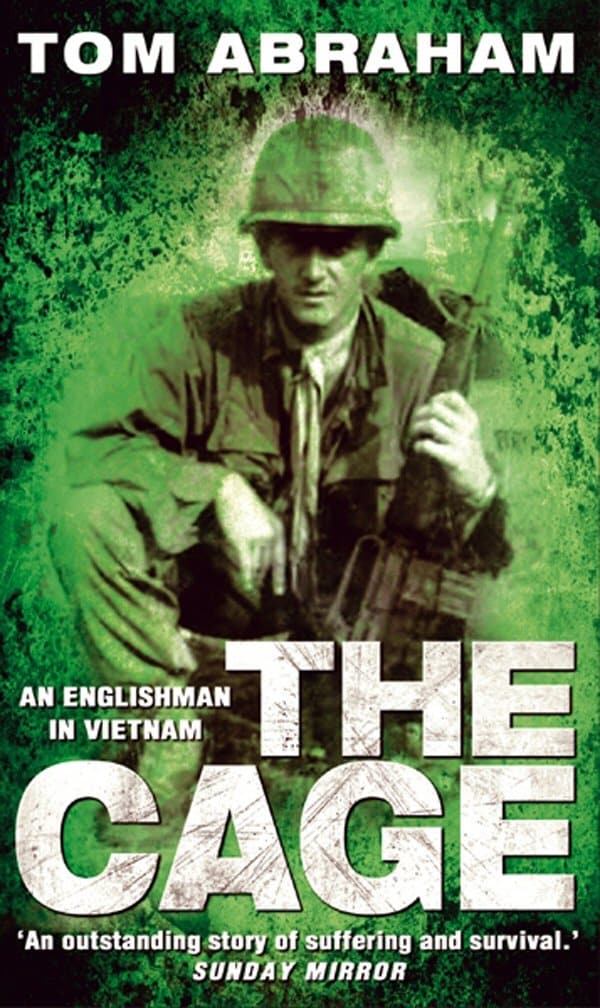
Tom ‘Bud’ Abraham was one of the very few Englishmen to serve in Vietnam. As an officer in the 1st Cavalry Division during 1967/8, he saw combat in some of the fiercest encounters of the war. His gallantry earned him a chestful of medals, including the Silver Star, one of
