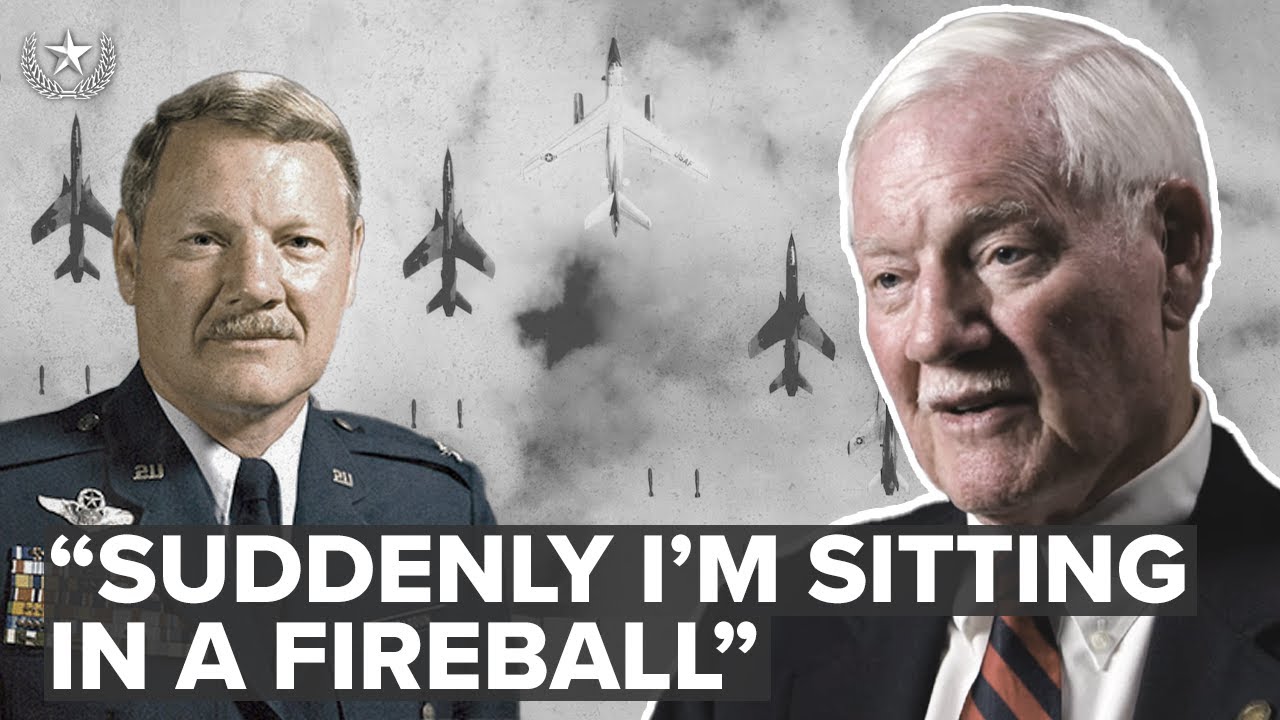
On September 9, 1965, Admiral James Stockdale’s A-4 Skyhawk jet was shot down in Vietnam. He was taken prisoner by the North Vietnamese and spent the next seven years being tortured and subjected to unimaginable loneliness and terror. Fortunately, three years earlier, he was recommended a book. That book, he says, saved his life. After twenty years in the navy, Stockdale decided to go back to school. He enrolled in a two-year graduate program at Stanford where he studied philosophy under the World War II naval commander Philip Rhinelander. After the final class, knowing Stockdale was graduating and returning to the cockpit, Rhinelander gave him Epictetus’ Enchiridion—“a handbook for the busy man,” as he called it. Over the next three years, Stockdale boarded aircraft carriers all over the western Pacific. He launched three seven-month cruises to the waters off Vietnam. He led the first-ever American bombing raid against North Vietnam. He commanded the air wing of the USS Oriskany (or the Mighty O, as it was nicknamed) “but on my bedside table,” he said, “no matter what carrier I was aboard, were my Epictetus books.” Then, exactly three years after leaving Stanford, Stockdale was shot down and captured. “After ejection,” Stockdale later wrote, “I whispered to myself: ‘Five years down there, at least. I’m leaving the world of technology and entering the world of Epictetus.’”