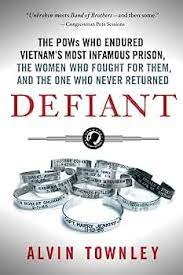
In 1967, U.S. Air Force fighter pilot James Shively was shot down over North Vietnam. After ejecting from his F-105 Thunderchief aircraft, he landed in a rice paddy and was captured by the North Vietnamese Army. For the next six years, Shively endured brutal treatment at the hands of the enemy in Hanoi prison camps. Back home his girlfriend moved on and married another man. Bound in iron stocks at the Hanoi Hilton, unable to get home to his loved ones, Shively contemplated suicide. Yet somehow he found hope and the will to survive–and he became determined to help his fellow POWs.
In a newspaper interview several years after his release, Shively said, “I had the opportunity to be captured, the opportunity to be interrogated, the opportunity to be tortured and the experience of answering questions under torture. It was an extremely humiliating experience. I felt sorry for myself. But I learned the hard way life isn’t fair. Life is only what you make of it.”
Written by Shively’s stepdaughter Amy Hawk–whose mother Nancy ultimately reunited with and married Shively in a triumphant love story–and based on extensive audio recordings and Shively’s own journals, Six Years in the Hanoi Hilton is a haunting, riveting portrayal of life as an American prisoner of war trapped on the other side of the world.



Voices from Captivity: Interpreting the American POW Narrative
Popularized by books and films like Andersonville, The Great Escape, and The Hanoi Hilton, and recounted in innumerable postwar memoirs, the POW story holds a special place in American culture. Robert Doyle’s remarkable study shows why it has retained such enormous power to move and instruct us. Long after wartime, memories of captivity