Clemson Veterans Project – Colonel William Austin

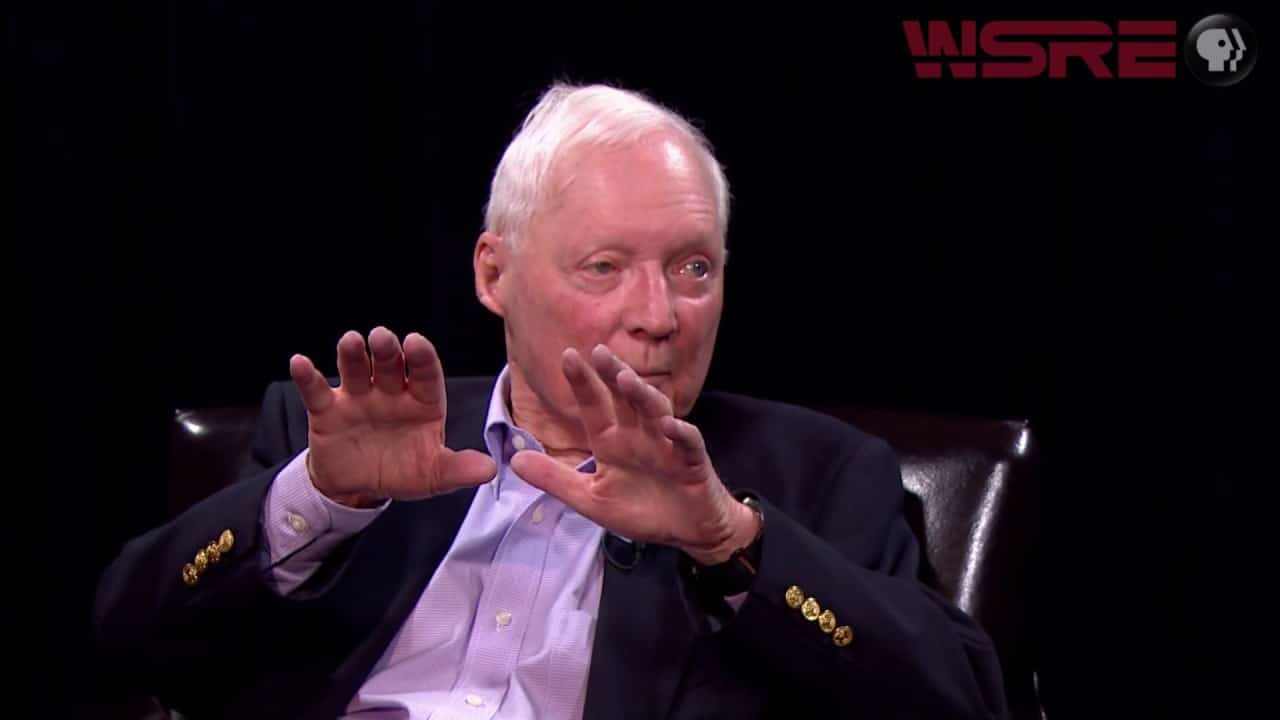
Interviewee: Colonel William Austin, Airforce

Commissioned: September 1960.

Honorable Discharge: October 1988 Served: Vietnam 1967 – March 1973

Special Duties: RB47 Navigator, F4 Test Pilot, F4D “Phantom II” Navigator, Wild Weasel Hunter

Prisoner of War

Other Videos You Might Be Interested In

George Coker Interview – Part 2

Commander George Coker was one of the “Alcatraz 11,” a group considered by the North Vietnamese to be the resistance leadership, even though he was a junior officer. The Alcatraz 11 were moved from Hao Lo to a separate facility “Alcatraz” in 1967. Among them were Jim Stockdale and Bob Shumaker. Like Shumaker, Coker was a key communications link in the command structure at Hao Lo and the other Hanoi prisons. He also has the

Read More »

Mike Gooding – Vietnam POW tells his story, 50 years later

This year marks the 50th anniversary of the Paris Peace Accords, which officially ended U.S. involvement in the Vietnam War. One local man spent six and a half years in captivity, as a prisoner of war. Naval aviator George Coker returned to America as part of “Operation Homecoming” a half-century ago. He spoke about it today with Mike Gooding.

Read More »

Alive and Free – Or Dead – Dieter Dengler – The First POW Pilot to Escape the Vietnam War

Captured and at the mercy of an increasingly cruel enemy, German-born US Navy pilot Dieter Dengler was left with no choice but to attempt a daring escape from the Pathet Lao prison camp in which he was being held during the Vietnam War. The fateful decision was made only after he and six other POWs had overheard plans to get rid of them as soon as the guards ran out of food. Dieter would choose

Read More »

Meritorious Fireside Chat: Barry Bridger, Vietnam POW (January 28, 2021)

Hear from, and about the exciting life of, Lt. Col (Ret.) Barry B. Bridger, a six year survivor of Hoa Loa Prison, who was shot down by a surface-to-air missile over a North Vietnamese city in January of 1967. Ignoring international agreements on treatment of prisoners of war, the enemy resorted to mental and physical cruelties to obtain information, confessions and propaganda materials. Barry Bridger resisted their demands by calling upon his deepest inner strengths

Read More »

Contact Us