Fred Cherry was one of the few black pilots taken prisoner by the Vietnamese, tortured and intimidated by captors who tried and failed to get him to sign antiwar statements.
Post Views: 662




The omnipresence of black flags featuring the bowed head of an American prisoner of war, which fly in front of most public buildings throughout the United States, and the high-profile coverage of POWs in the Persian Gulf War speak volumes about the emotional hold of the POW/MIA issue in this

During a bombing raid over North Vietnam, Kenneth R. Hughey takes flak in his F-4 Phantom. With both their aircraft’s engines burning, Hughey and fellow crewman Mel Pollack eject at 22,000 feet and 620 miles an hour. The Vietcong capture Hughey as soon as he reaches ground, beginning what would

Relates the experiences of a former Vietnam POW’s time in a prison camp Post Views: 960
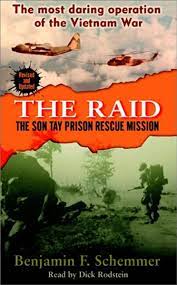
Minutes after 2 A.M. on November 21, 1970, more than one hundred U.S. war planes shattered the dark calm of the skies over Hanoi. Their mission: rescue sixty-one American POWs from Son Tay prison. Less than thirty minutes later, the raid was over, but no Americans had been rescued. The

Captured by Love shares the real love stories of 20 Vietnam War POWs. Some had wives who started a movement that changed American foreign policy. Others came home and had to start over, while five single men met the loves of their lives. Despite their unique differences, all these couples have
